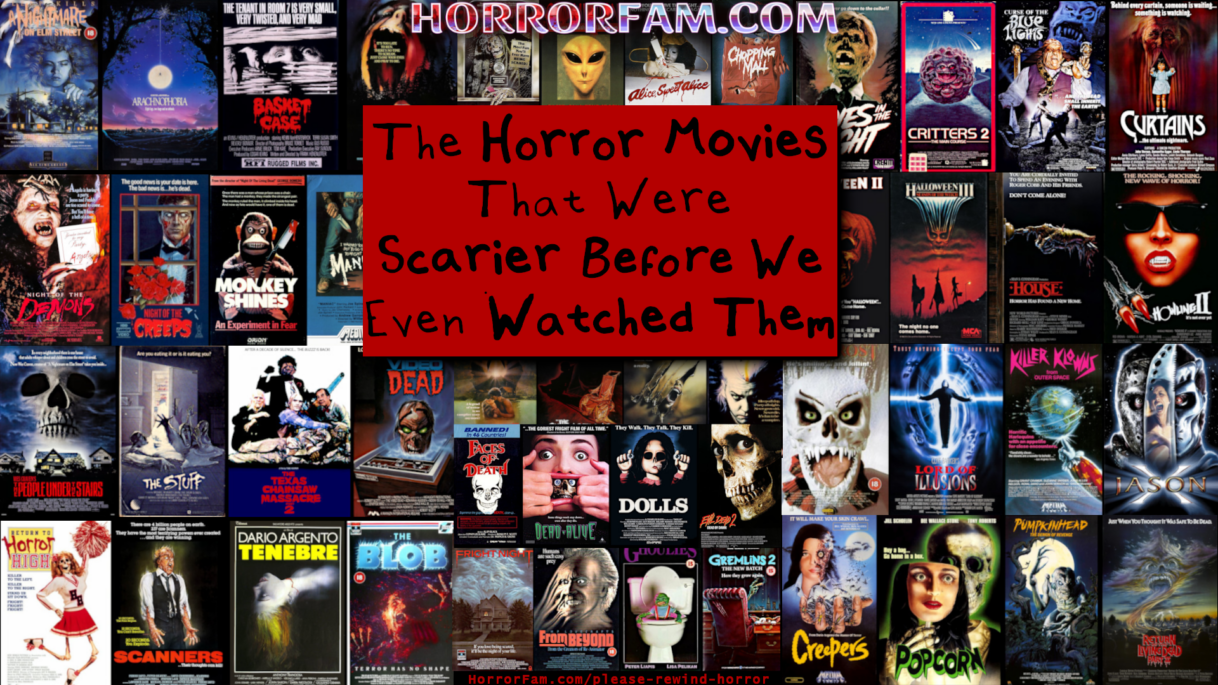
Some horror movies scared me. And then there are horror movies that scared me before I’d even bloody seen them.
If you grew up before streaming, YouTube trailers, and having almost every movie ever made sitting just a few button presses away, you’ll probably know exactly what I mean.
We knew some films almost entirely through reputation. Someone at school had seen one. Someone’s older brother had a copy. A mate claimed there was a scene “so disgusting” somebody had been sick watching it.
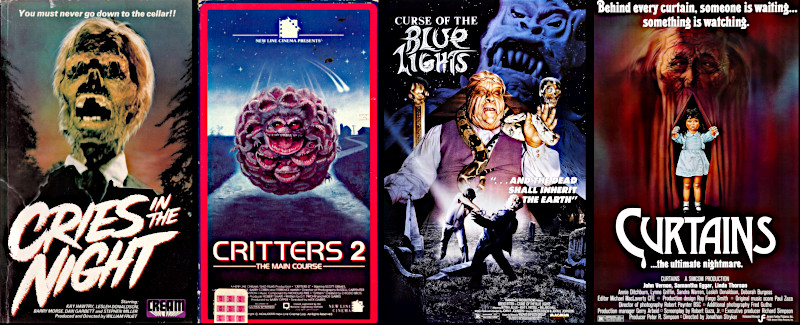
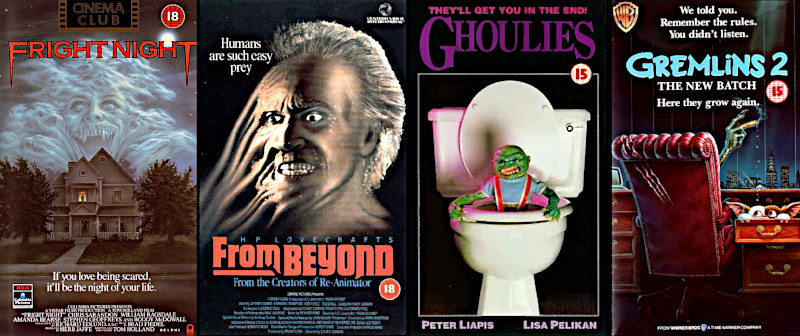
There were horror movies our parents definitely wouldn’t let us rent, and VHS covers we’d stare at in the video shop, even though we knew there was absolutely no chance we’d get to take them home.
By the time we eventually watched some of these horror films, we’d already made them terrifying. Because back then, not being able to see something immediately gave horror one of its greatest weapons: Our imagination.
The Horror Section Wasn’t Like the Rest of the Video Shop
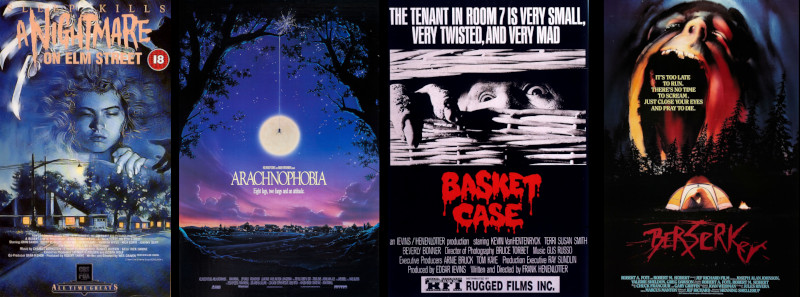
Walking into a video shop as a kid was brilliant! You’d have the new releases near the front, then comedy, action, family films, and whatever else the shop had managed to cram onto its shelves.
But eventually you’d find it… The horror section.
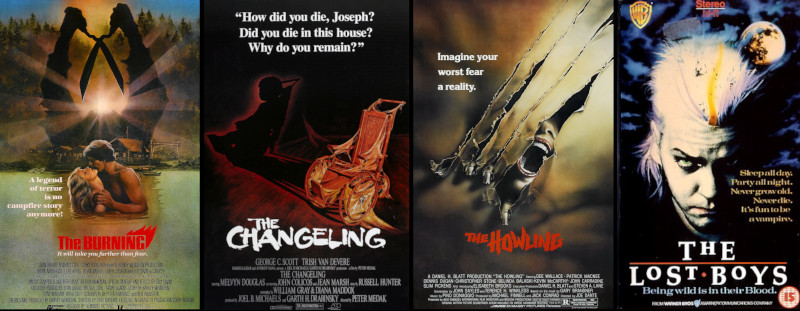
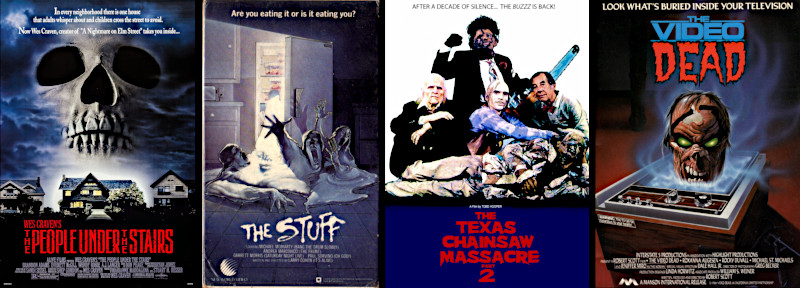
And somehow it always appeared different. You didn’t even need to pick up the boxes. They were already looking at you. Masks. Skulls. Knives. Blood. Monsters. Faces screaming. Artwork that appeared specifically designed to make a child think “What the hell happens in THAT?!”
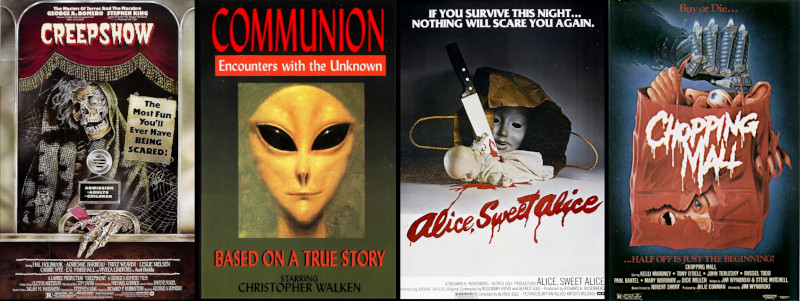
The funny thing is, sometimes the cover was considerably better than the actual movie. But we didn’t know that! The artist could put practically anything on the front of a horror movie’s VHS box, and our imagination would happily create the missing film.
I’d look at some of those covers and try to work out what could possibly happen inside. And because I couldn’t just pull out my phone and watch a trailer, the question stayed unanswered.
Sometimes for years.
Then ‘Someone’ at School Had Seen It
This was where things really got out of control.
Every school seemed to have at least one kid whose parents apparently allowed them to watch absolutely anything. You could mention virtually any horror movie, and they’d already seen it. Of course they had.
And they’d tell you about it. Badly. But that’s exactly what made it better.
They wouldn’t give you a carefully written synopsis. They’d give you fragments. “There’s this bit where…” and “You won’t believe what happens to this bloke…” and “My brother said it was banned…” and “Someone gets their head…”
And then the bell for class rang. Brilliant!
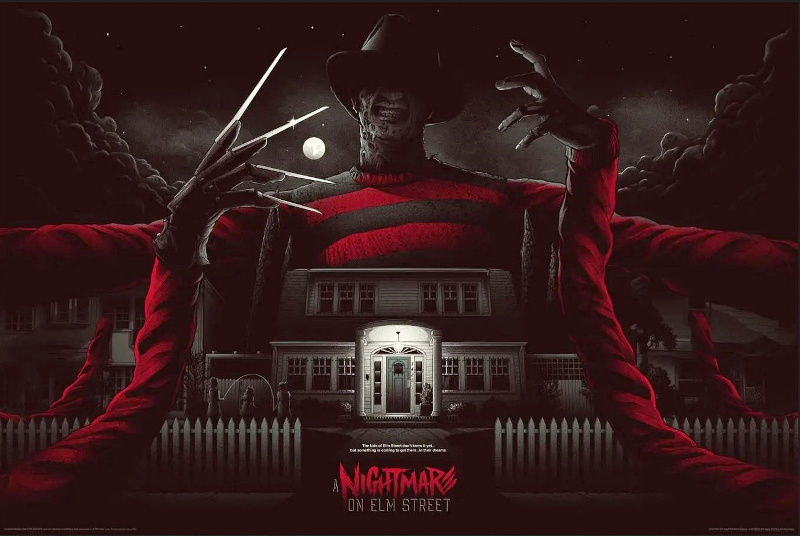
Now you’re sitting in maths trying to reconstruct A Nightmare on Elm Street from a completely unreliable 30-second description supplied by another child.
By lunchtime, somebody else had added another detail.
By the end of the week, Freddy Krueger was capable of things Wes Craven himself had never conceived.
That’s how horror mythology travelled.
Freddy Was Terrifying Before I Understood Freddy
Freddy Krueger is a perfect example.
Try looking at Freddy now without the decades of pop culture attached to him. It’s almost impossible. He’s an icon!
We’ve seen the glove reproduced countless times. We’ve seen costumes, figures, posters, and merchandise.
But imagine encountering that face without knowing the rules. Burned skin. Striped jumper. Fedora. And a glove with bloody knives attached to the fingers. Who is this bloke? What does he do? Why does he look like that?
Then somebody tells you he can kill you in your dreams.
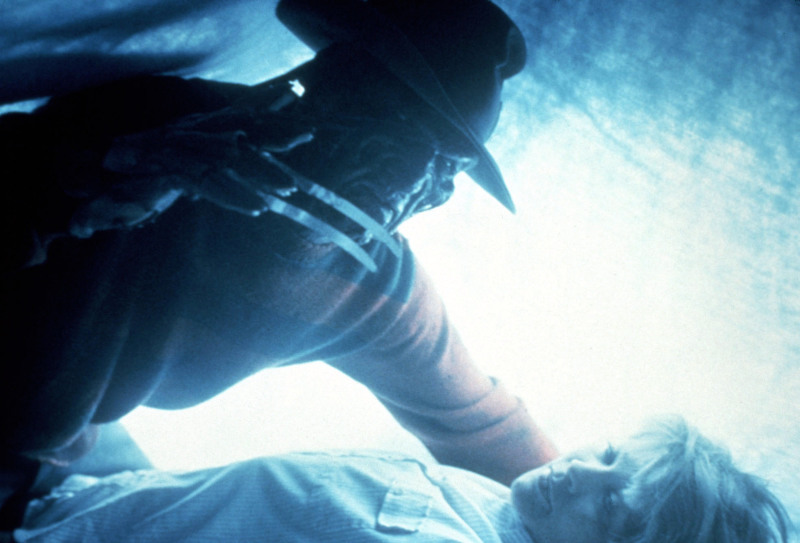
Well, that’s just cheating! Michael Myers still required you to be somewhere near Haddonfield. Jason Voorhees generally expected you to make the questionable decision of visiting Crystal Lake.
Freddy? Eventually, you’ve got to go to sleep.
As a kid, that’s a horrifying concept before you’ve watched a single frame.
Jason Didn’t Need a Trailer Either
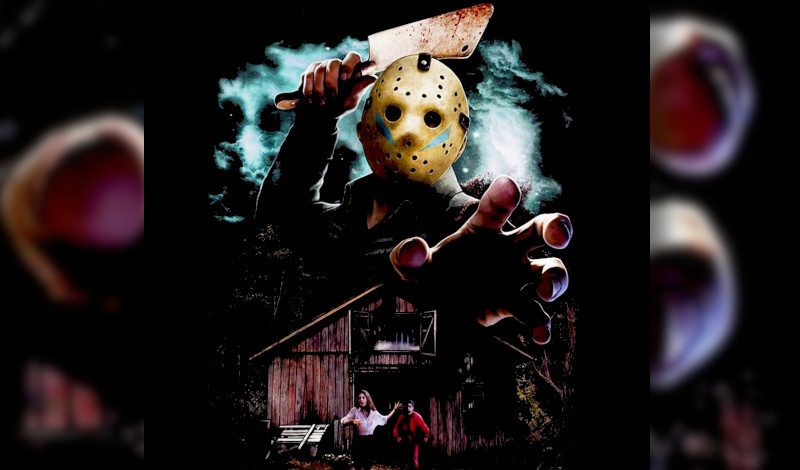
Jason Voorhees had another advantage: His mask.
That hockey mask became one of the greatest pieces of horror marketing ever created because it told you almost nothing.
There’s no expression. No explanation. Just black holes where the eyes should be.
I’d seen that mask long before I understood the complicated history of Jason, Pamela Voorhees, or why a summer camp apparently had a mortality rate that should have prompted some fairly serious questions from the authorities.
It didn’t matter. The mask did the job.
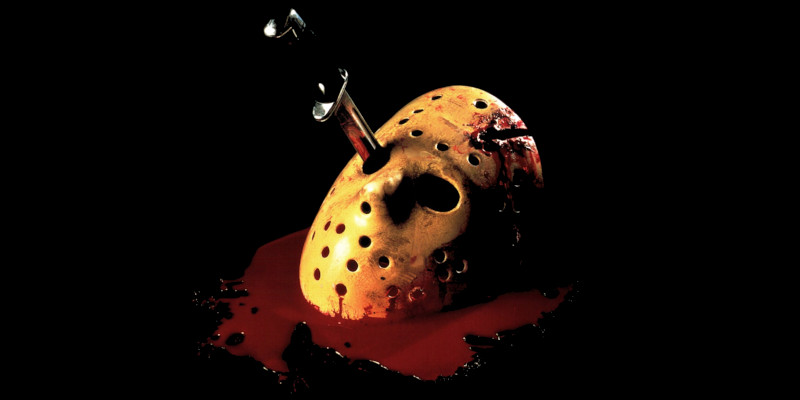
You knew Jason Voorhees was somebody you didn’t want standing behind you.
Sometimes horror works best when you don’t understand it yet.
“Apparently It’s Banned”
Now we get to the really good stuff.
No sentence could make a movie more attractive to young horror fans than “Apparently it’s banned.”
That was it. You had to see it! It could’ve been 90 minutes of somebody painting a shed. Didn’t matter. Some authority somewhere had apparently decided you should NOT watch this movie.
Obviously, we immediately wanted to watch the movie.
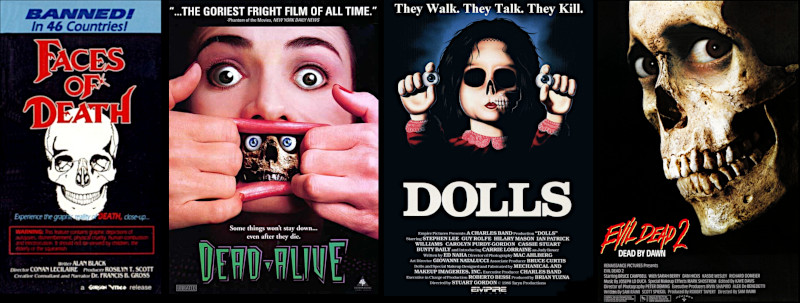
Growing up in Britain made this particularly potent because of the whole Video Nasty era.
For younger horror fans who came along a bit later, the details didn’t necessarily matter. We’d heard the phrase: “Video Nasty.”
It sounded dangerous. Not simply frightening… Forbidden.
Films were encircled by stories of censorship, confiscated tapes, and unedited versions supposedly much worse than anything you’d actually seen. Whether every playground story was remotely accurate didn’t matter.
Usually, it wasn’t accurate at all, but the mythology was already working.
The Evil Dead Felt Like Contraband
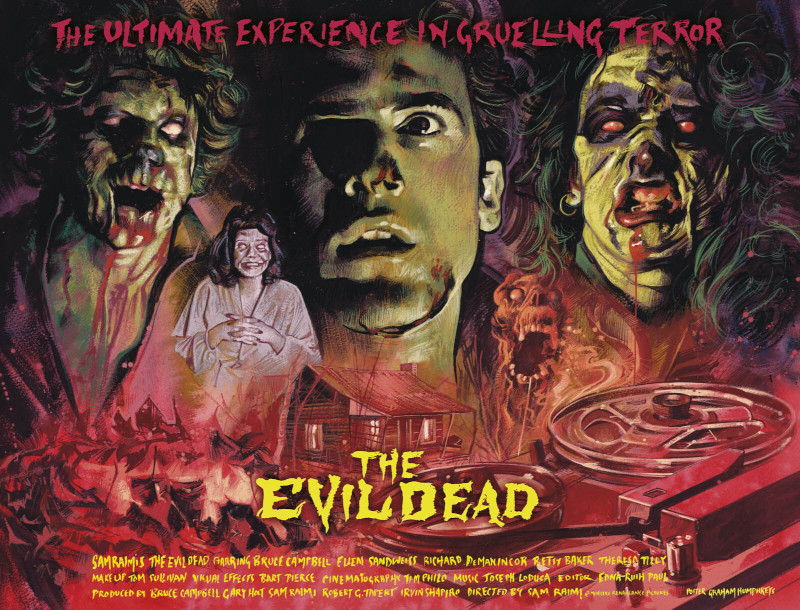
Before you appreciate Sam Raimi’s filmmaking, Bruce Campbell, the camerawork, the practical effects or the sheer unbridled energy of the thing, there’s the reputation.
The Evil Dead was one of those movies.
The ones people talked about. The ones associated with the Video Nasty panic. The ones you weren’t entirely sure you were supposed to be watching.
That changes the experience…
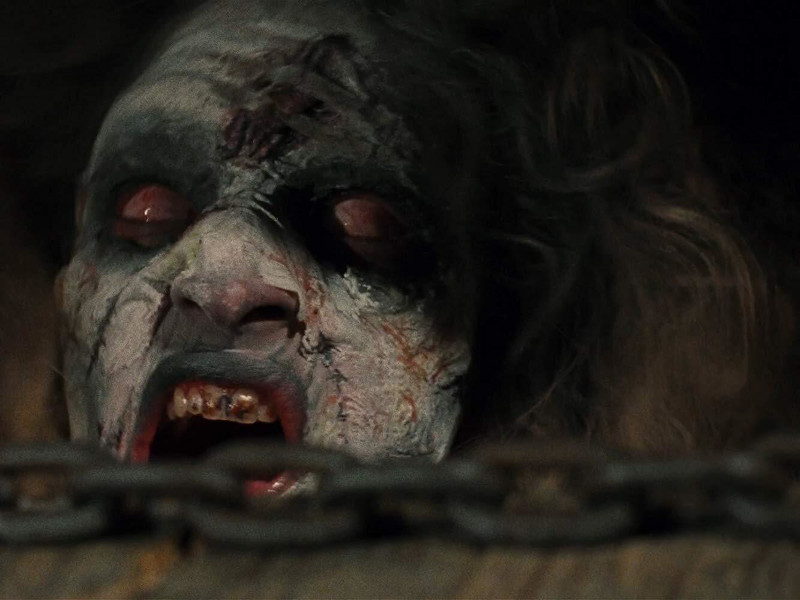
Inserting a supposedly notorious horror tape into a VCR appeared different from selecting something from a streaming menu today. It seemed nearly like you’d acquired evidence.
You put the cassette in. The machine swallowed it. Then came that mechanical clunk. For a moment, you wondered whether everyone had been right. This could be too much.
The Exorcist Was Practically a Legend

Then there were movies whose reputations became bigger than the films themselves.
The Exorcist is probably the ultimate example.
You didn’t simply hear that The Exorcist was “scary.” You heard stories…
People fainted. People walked out. People couldn’t sleep afterwards. Someone knew somebody who’d watched it and was apparently the same again!
The stories changed depending on who was telling them, and that was part of the fun.

Eventually you’re not waiting to see a movie. You’re preparing yourself for some sort of psychological endurance test. And that’s an almost impossible reputation for any film to live up to.
But The Exorcist didn’t need to live up to it immediately. The reputation itself was already frightening people.
Horror Used to Have Time to Grow in Your Head
That’s the BIG difference:
We had to wait.
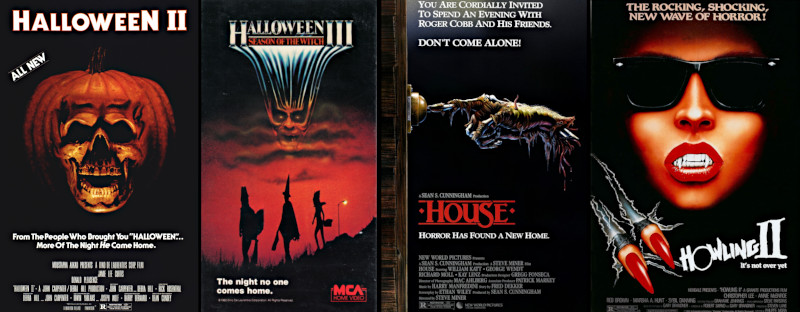
Today, if somebody tells me about a horror movie at nine o’clock in the evening, there’s a decent chance I can be watching it by nine-fifteen. That’s amazing! I love having that access.
But the mystery disappears almost instantly.
Back then, somebody might tell you about a horror film you wouldn’t actually see for another six months. Or two years. Maybe longer. And during that time, the film lived in your imagination.
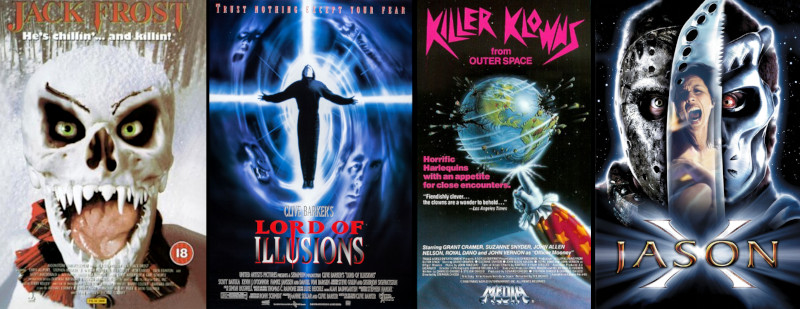
Every additional story added something. A photograph in a magazine. A poster. A trailer you happened to catch. Someone describing a scene. Another person insisting the version they’d seen was “uncut.” A longing stare at the VHS cover at the local video rental shop…
You assembled the movie yourself. And your brain had an unlimited special-effects budget.
Late-Night Television Had Its Own Magic
Television could do the same thing.
Seeing a horror movie listed late at night automatically made it seem more dangerous. Why was it on that late? What was in it? Should I be watching this?
Sometimes staying awake long enough to see the bloody thing was half the challenge!
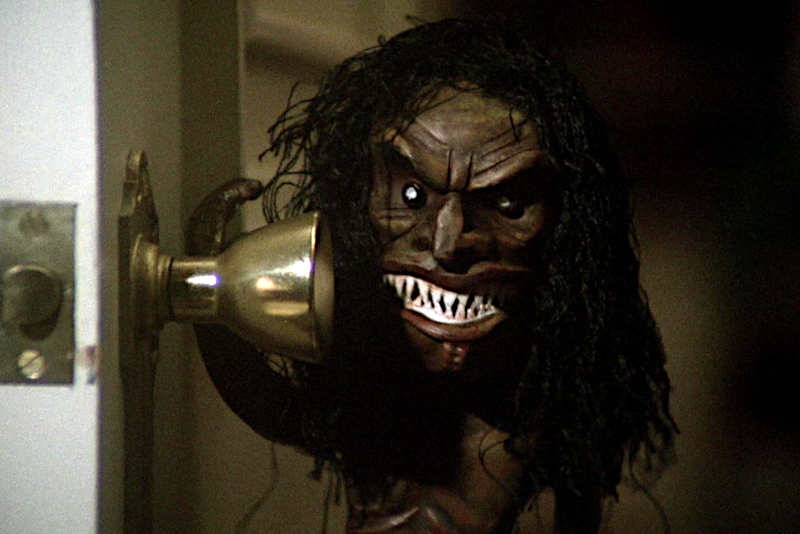
There was something wonderful about watching a horror film when the rest of the house had gone quiet. You’d keep the volume low enough that nobody realized you were still awake. Every noise elsewhere in the house suddenly became suspicious…
A plank creaked. Probably the heating. Unless… No! Definitely the heating.
Then you’d hear another one.
Brilliant.
Whatever monster was on television had apparently entered your house.
Sometimes Not Seeing the Monster Was Better
The greatest horror filmmakers understand restraint. That what we imagine can be much worse than what we’re shown.
The same principle applies to discovering horror movies. If all you’ve seen is the cover, your brain fills in the blanks. If somebody tells you a scene is horrific without explaining exactly what happens, your brain fills in the blanks. If a film is supposedly so disturbing that people want it banned, your brain fills in some ENORMOUS bloody blanks.
Eventually the real movie has to compete with the version you’ve already directed inside your head.
Sometimes it wins. Sometimes it doesn’t. But the expectation becomes part of your memory of the film.
We Also Lied to Each Other Constantly
Let’s admit this: Half the stories were bollocks.
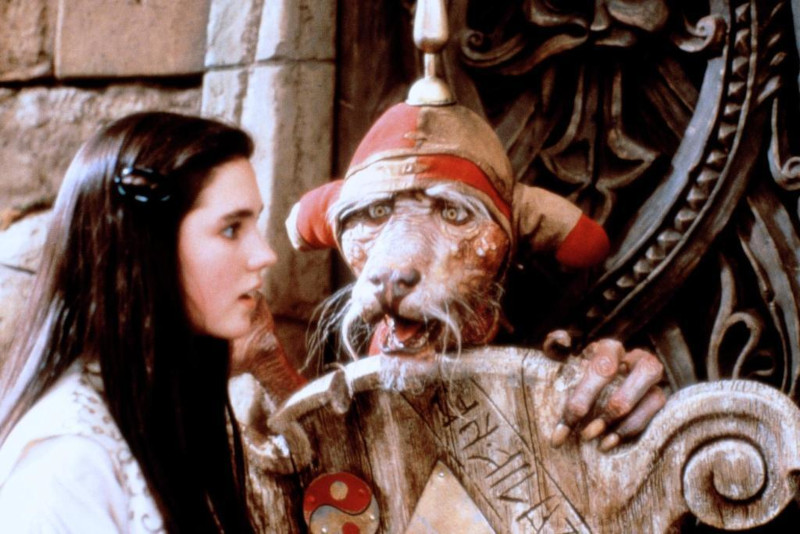
Horror fans have always exaggerated. Especially young horror fans. Nobody wanted to admit something had scared them.
So, you’d watch the most terrifying thing you’d ever seen, spend half the night staring at your bedroom door and then tell your mates the next morning: “Wasn’t scary.”
Of course it wasn’t. That’s why every light in the house was on.
Then there were the legendary scenes that supposedly existed, but nobody could prove they’d watched them… The banned version. The alternate ending. The bit removed from the rental tape. The scene someone’s cousin definitely saw.
Horror rumors were basically the pre-internet internet. Most of the information was unreliable. Somebody was probably lying.
And we loved every minute of it.
The VHS Cover May Haunt You for Years
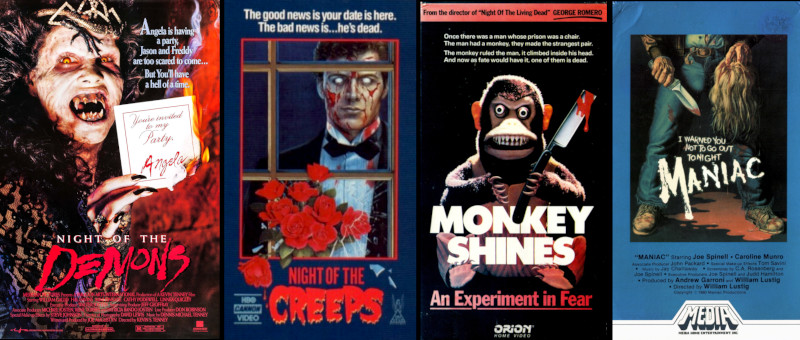
This is something I genuinely miss. I remember VHS covers long before I remember the films.
You’d walk past them every weekend. Eventually the artwork became familiar. It was like visiting the same monsters.
Maybe you weren’t old enough to rent the film. Maybe your parents wouldn’t let you. Possibly there was always something else you chose instead.
But the box remained.
Waiting.
And eventually there came that glorious moment when you finally picked it up and thought: “Right. Tonight’s the night!”
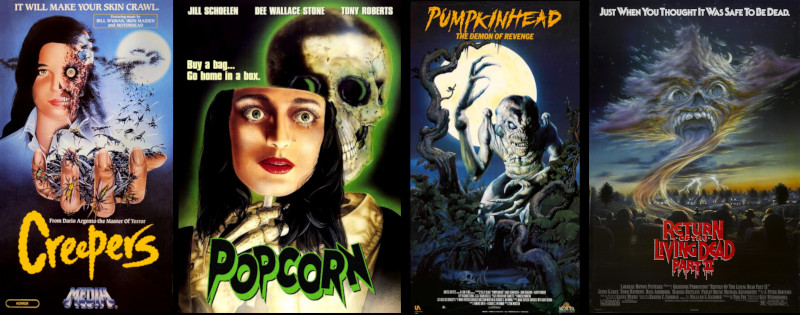
There existed a sense of occasion to finally watching something you’d wondered about for years.
Streaming can’t really reproduce that. Not because streaming is bad. Because instant access removes the waiting.
We Knew Less — and Sometimes That Was Better
I’m not arguing we should return to having fewer movies available. That would be ridiculous. Being a horror fan today is extraordinary!
We can discover films from around the world. We can find obscure movies in seconds. We can read about directors, effects artists, and productions immediately after watching something.
But knowing everything has a cost.
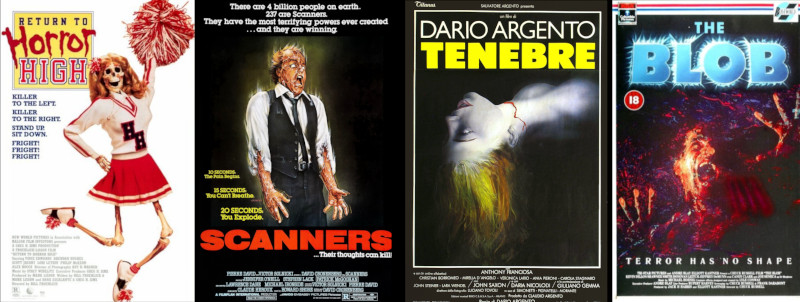
Trailers explain plots. Thumbnails reveal monsters. Social media spoils surprises. Algorithms tell us what we’ll probably like. Review scores give us an opinion before we’ve formed our own. Sometimes we’ve practically watched the bloody film before pressing play.
We gained access. But we lost a little mystery.
Maybe That’s Why Those Movies Stayed with Us
When I think about the horror movies that became important to me, I remember more than what’s on the screen. I’m remembering everything around them…
The video shop. The box. The person who told me about the movie. The rumors. Trying to get ahold of it. Finally watching it. Pretending afterwards that it hadn’t scared me and then lying in bed thinking about it.
The experience began long before the opening credits.
That’s difficult to recreate now because horror movies no longer have to hide from us. They’re everywhere. Which is brilliant…
But when something is everywhere, it’s harder for it to become mythical.
The Movies Weren’t Always Scarier
Maybe that’s the truth. The horror movies themselves weren’t necessarily scarier back then.
WE made them scarier.
We did it with rumors. With VHS artwork. With playground stories. With censorship. With older siblings. With forbidden tapes. With evening television. And with the weeks, months, or sometimes years we spent imagining what these films contained before we finally got to see them.
Eventually the tape went into the machine. The lights went off. The movie started. And sometimes we discovered we’d frightened ourselves far more effectively than the filmmaker ever could.
I wouldn’t give up streaming.
I wouldn’t give up instant access.
And I certainly wouldn’t choose late fees and knackered rental tapes over watching thousands of movies whenever I want.
But now and again, I miss not knowing.
Because there was an enchanting quality about standing in front of a horror shelf, staring at a VHS box you weren’t allowed to rent, and wondering what nightmares were hiding inside.
Sometimes the scariest horror movie was the one we hadn’t watched yet.
*This article was written by Lee Coombs. Read more about him in his author bio below!*

Images for this post were purchased on CineMaterial (posters and VHS covers) and MovieStillsDB (stills). Lauren chose horror VHS covers that she and her team remembered being entranced by as well as a few suggestions from guest writer Lee Coombs. She also tried to get a nice mix of US and UK covers to represent both the author’s memories and those of the team’s. Also, Lauren is aware that most people don’t classify Labyrinth as a horror film but when she read “lies” and “HALF of the stories were bollocks,” she thought of the door guards from that film and it stuck. Hopefully someone out there laughed.