One of my favorite horror movie memories came way back in 1975, when the chewed-up head of fisherman Ben Gardner pops out of a hole in a sunken fishing boat in Jaws. The scene made both Richard Dreyfuss’ character Matt Hooper AND me scream.
It also began my irrational love of a well-executed jump scare, a love further solidified by my all-time favorite horror movie, the original Halloween.
That scene also inspired me to see as many Animals Attack horror movies as I could. I watched Piranha, Grizzly, Orca, Alligator, Venom, Kingdom of the Spiders (with an amusing overacting by William Shatner), Them!, and even the horrible Tintorera: Killer Shark and Barracuda. In more recent years, I’ve watched the incredibly creepy 2023 French spider film Infested and 2007’s excellent crocodile flick Rogue.
Those movies all have one thing in common: People are menaced by animals that most viewers would consider threatening: Grizzly bears, snakes, killer whales and spiders? Yes, you don’t want to get attacked by any of them. But did you know that there’s a whole subgenre of animals-on-the-attack movies featuring critters that few would consider threatening? You might even consider them cuddly. Think rabbits or a poodle.
Or maybe the attacking creatures are so slow that you’d need to be standing still to become one of their snacks. Yes, I’m talking about slugs and earthworms, each of which have their own horror movies.
I’ve watched these, too. And I’m here to tell you, many of these goofier, lesser-known animal horror movies featuring non-threatening furry, scaly or slimy creatures are fun, too. I’d even call some of them good.
Ready to experience the terrors of bunnies, poodles, and frogs? Here are my favorite non-threatening-animals-on-the-attack movies. Watch them with your favorite dog, cat, parakeet or other scaley, furry, or feathered friend. (Just keep an eye on those pooches and kitties. These movies might give them some ideas!)
This post contains affiliate links. If you watch a movie we’ve recommended using our links, you’ll be helping to support HorrorFam.com at no additional cost to you!
Night of the Lepus (1972)
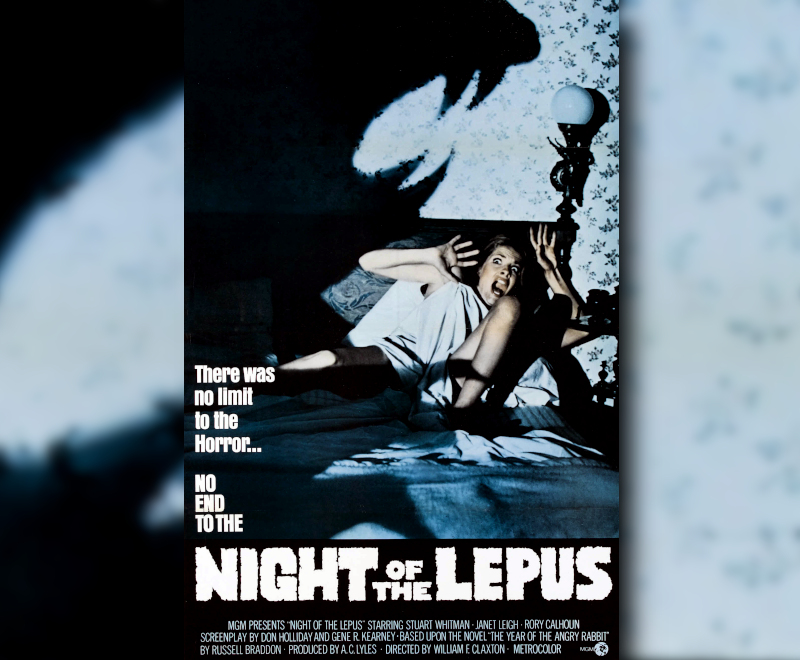
I like to celebrate holidays by watching a horror movie with my family. That’s easier on certain occasions, like Halloween and Christmas. But Easter? There aren’t a lot of great horror movies set on that holiday.
So, last year, we found Night of the Lepus streaming and gave that a watch. And, yes, this movie about oversized killer rabbits is every bit as bad as its reputation suggests.
I admit that I didn’t give it my full attention. We watched the movie as we were playing Uno. And honestly? That might be the best way to watch Night of the Lepus. I don’t think I missed much by not devoting 100% of my eyeball space to this one.
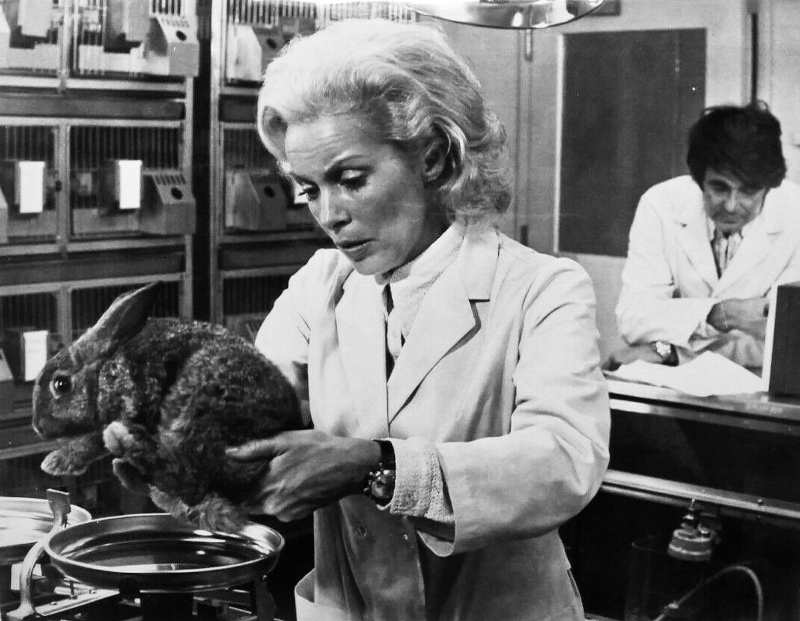
After all, this is a movie about giant, flesh-eating rabbits. And, while this was released in 1972, a time in which horror movies were getting grittier, meaner and, yes, scarier, Night of the Lepus feels like it was released in the 1950s. When I sat down to write this story I had to double-check the date. The 1970s boasted truly great horror movies. Night of the Lepus is not one of them.
There’s even some sloppiness with the title. The word “Lepus” is the Latin word for “hare.” You might think rabbits and hares are the same thing. I know I did. But it’s not true. A rabbit and a hare are slightly different, sort of like alligators and crocodiles.
Of course, that little title slip-up isn’t the big problem with Night of the Lepus. The real flaw is that rabbits are not scary, even when they’re big and it looks like someone smeared ketchup on their faces.
To their credit, the filmmakers did try to make the rabbits at least somewhat menacing: They filmed rabbits yawning and added audio of groans and shrieks. This didn’t make the rabbits scary. They filmed the rabbits in slow motion to make it seem like they were slower and larger. Didn’t work. They created admittedly fun miniature sets and let the rabbits run wild through them. Think Godzilla smashing downtown Tokyo, only this was more like Fuzzy Wuzzy hopping through a dollhouse. And, no, this didn’t make the rabbits look threatening, either.
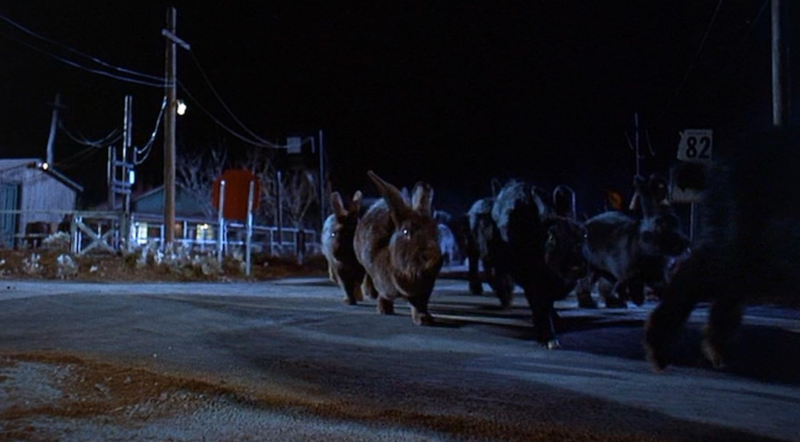
Janet Leigh of Psycho fame, one of the stars of Night of the Lepus, summarized the movie’s major problem beautifully in an interview about this movie: “No matter what you do, a bunny rabbit is still a bunny rabbit.”
I won’t say that Night of the Lepus isn’t worth watching, though. It IS fun if you understand what you are getting into. I also appreciate that the makers of the movie were trying to make a good film. Night of the Lepus isn’t an intentionally bad movie. And it does follow the basic formula of giant-animal monster movies: The bunnies here do cause plenty of property damage and they do rack up a solid body count. If you replaced the rabbits with giant spiders, snakes, or scorpions? You’d have a decent if somewhat sluggish nature-goes-amuck movie.
Night of the Lepus even has a bit of literary cred to it. The movie is loosely based on a 1962 novel, The Year of the Angry Rabbit, a science-fiction tale written by Australia’s Russell Braddon. But this novel, in which giant rabbits descend upon Australia, was a political satire. Night of the Lepus removed the satire, set the movie in the United States, and pretty much eliminated any of Braddon’s jabs at nationalism and capitalism.
Despite its flaws, Night of the Lepus does boast a nifty scene at a drive-in movie theater. The patrons at the theater are recruited to turn on their headlights to attract the killer rabbits and steer them toward an electrified fence. The announcement over the loudspeakers at the drive-in theater is classic: “Attention! Attention, ladies and gentlemen. There is a herd of killer rabbits headed this way, and we desperately need your help! Roll up your windows, turn on your lights and follow the police car at the entrance of the theater.”
Can you imagine authorities convincing an entire theater full of people today to work together like that? Half the patrons would demand their money back and rush to their phones to leave a negative Google review.
Where Night of the Lepus (1972) is streaming now:





Frogs (1972)
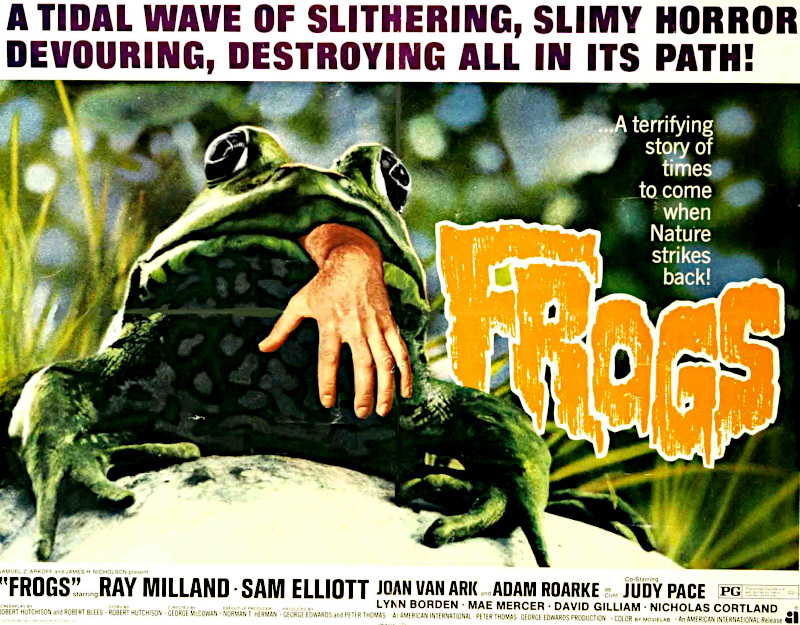
Frogs, which also came out in 1972 — a good year for normally chill animals to get feisty, apparently — boasts one of the all-time greatest horror movie posters. It features an oversized frog with a human hand hanging out of its mouth. There’s also this terrific tagline: “Today the pond! Tomorrow the world!”
Does the movie live up to that poster? Of course not. But I will argue that Frogs, despite its less-than-stellar reputation, is actually a good eco-horror movie. The action takes place on and around a wealthy family’s secluded home in a swampy chunk of the American swamp. Thanks largely to its filming location of Point Washington, Florida, Frogs has a sweaty, grimy feel to it that is a perfect fit for a story about nature striking back.
There’s also some social commentary hidden here. The rich family is full of spoiled brats who think nothing of littering and polluting the water and land around their home. Even as the frogs, lizards and alligators around them begin chewing up their family members, they refuse to listen to the advice of a nature photographer warning them of the harm they are causing.
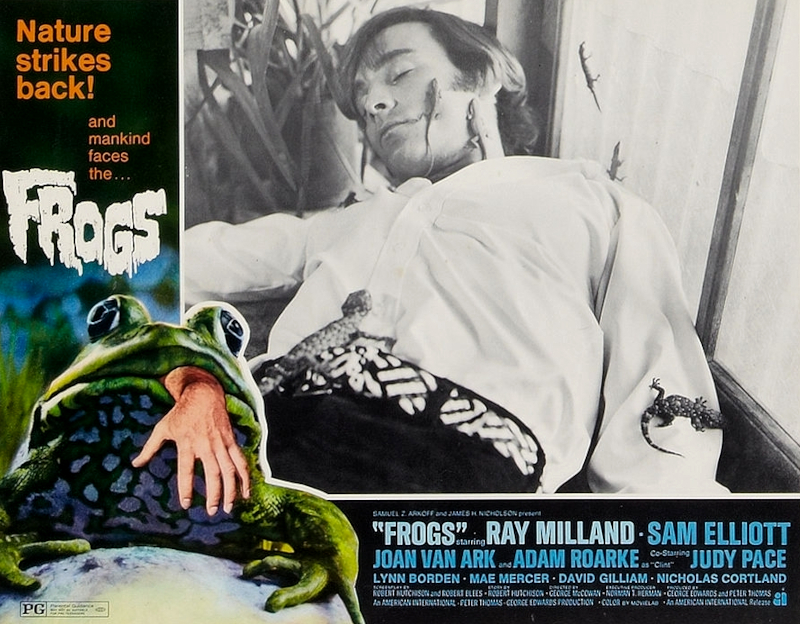
Even better? Frogs features a young Sam Elliott as its star. And here’s the shocker: Elliott is mustache-free! That’s right, Elliott’s trademark mustache is nowhere to be seen.
Sam Elliott plays a nature photographer with the undeniably cool name of Pickett Smith who notices a swamp-load of pollution coming from the grounds of the Crockett family’s homestead. He also notices that there seem to be too many frogs.
Not all the Crockett family members heed Smith’s warnings. Most skeptical of all is veteran actor Ray Milland, who plays Jason Crockett, the matriarch and stern leader of the Crockett family. Confined to a wheelchair, his character spends most of the movie sneering at Smith’s warnings about his family’s treatment of the environment or berating his mostly deadbeat adult children. (And to be fair, most of his adult children are lousy).
What’s interesting about Frogs is that the frogs themselves — many of which are obviously toads — don’t do much except sit around and croak. You will not find a giant frog with a hand sticking out of its mouth during the body of the movie, though that image does pop up as a sort of treat if you stick around for the credits. I admit that it’s quite charming when near the end of the credits, an animated frog jumps on the screen with a human hand hanging from its mouth. Take that Marvel! There’s an end credits scene worthy of sticking around for!
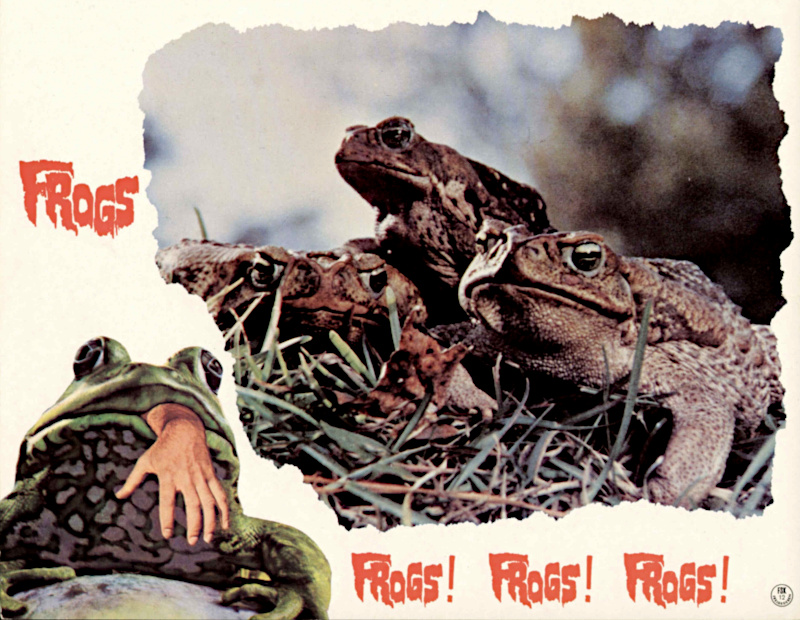
But back to the non-animated frogs: They’re lazy, hanging around the Crockett family grounds just watching the action for the majority of the movie. There’s a creepy scene, though, in which the frogs disrupt the outdoor birthday party being held for Jason Crockett. A mass of the slimy critters hops across a large cake decorated to look like the U.S. flag. It’s funny to see the mostly unlikeable Crockett family members’ party hopes dashed.
Most of the animal attacks in this movie come from spiders, snakes, lizards, alligators and even a snapping turtle and a butterfly; though the butterfly is more like a sidekick than a main attacker. Much like the frogs, though, the animals don’t always deliver the killing blow. Frogs‘ characters are notable for how well they manage to off themselves.
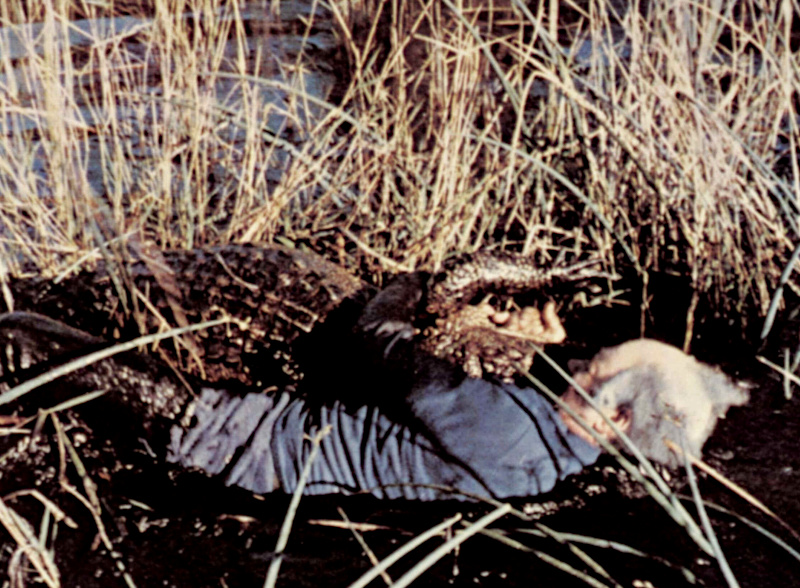
I won’t spoil the kill scenes in Frogs because some of them are ridiculously fun, but what typically happens is this: A character stumbles across an alligator, turtle, tarantula, or gecko; they scream; fall; and let the animals crawl all over them. If these same characters had simply walked in the other direction (they don’t even have to walk particularly fast!), they’d be fine.
The ending of Frogs, which I also won’t spoil, is fun, too. Let’s just say that the frogs, after hanging around listlessly throughout most of the movie, FINALLY go on the attack. And because these frogs aren’t overly intimidating, it’s a wondrous sight to behold a certain character trembling in fear as they croak.
Where Frogs (1972) is streaming now:




Slugs (1988)
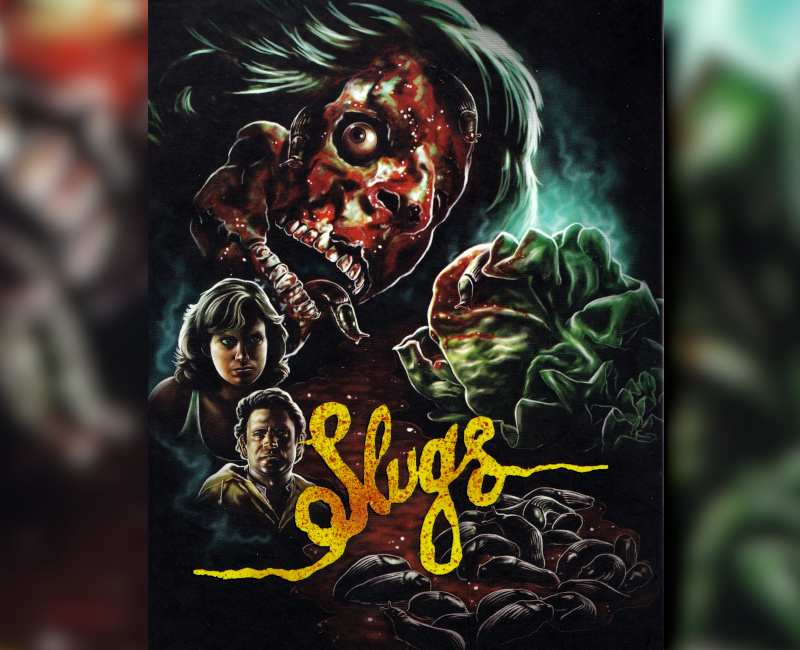
The lesson I took from 1988’s Slugs? Never eat a salad.
You’ll see why during Slugs‘ infamous restaurant scene. A man accidentally swallows the chopped-up remains of a carnivorous slug while eating a salad made for him by his wife. Later that evening at what is surely the fanciest restaurant in the fictional town of Ashton? The parasitic worms that grew inside the slug hatch.
And since they’re hatching inside our poor victim’s stomach you know that the rest of the restaurant’s patrons are going to have their dinners spoiled.
When I was watching this scene I expected a bit of chest-bursting, thinking that Slugs would rip off Alien. But no. Slugs rips off Scanners instead, and it’s MAGNIFICENT.
It’s also a good example of how surprisingly mean-spirted, bloody, and goopy this unheralded eco-terror can be. Unfortunately, despite the movie’s sometimes nauseating special effects, Slugs was a big flop at the U.S. box office, barely making any money. It’s also not a well-reviewed film.
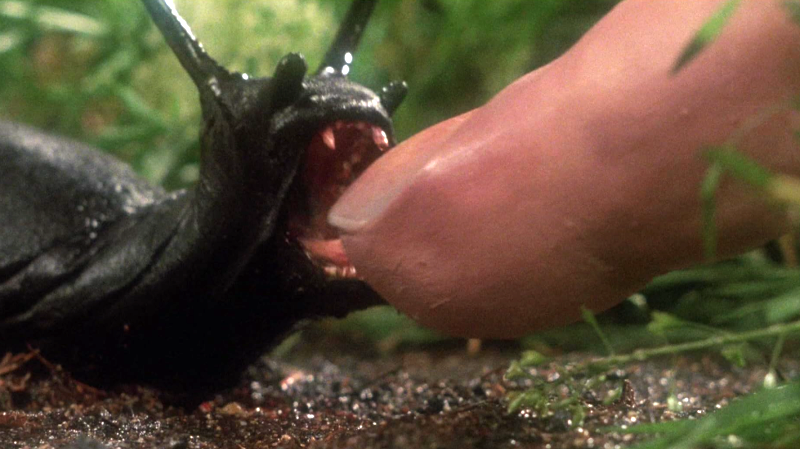
This isn’t surprising. Like the other movies on this list, Slugs had one big thing going against it from the beginning: Slugs, while undeniably disgusting, are not threatening. They’re slow. Even if you had the bad fortune of encountering a slug that developed the taste for human flesh, you’d pretty much need to walk slooooowly away to avoid becoming dinner.
Still, I like Slugs. And I like it unironically. I’ve never considered Slugs to be a so-bad-it’s-good movie. I see it as a flawed, sometimes befuddling film that’s just a few missteps away from being an animals-on-the-attack classic.
The story is nothing new, especially for fans of nature-on-the-rampage movies: Something has caused the slugs living in the gardens throughout the town of Ashton to mutate into aggressive carnivores hungry for whatever meat they can get, including people meat.
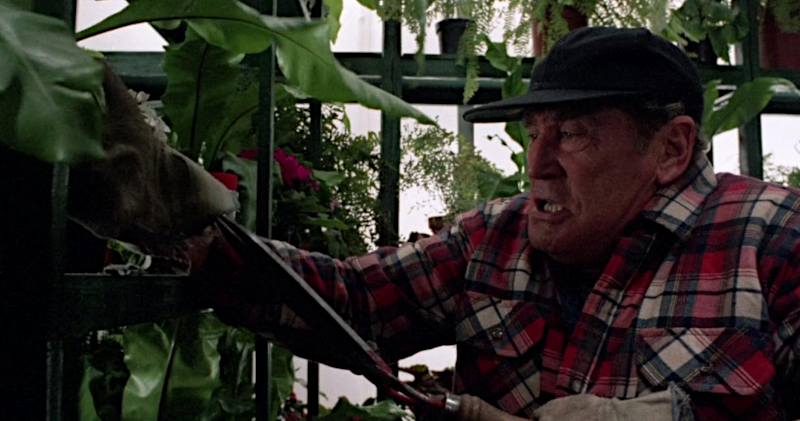
Again, because slugs are slow, the movie must work hard to put its victims in harm’s way. One of the movie’s best scenes puts this creativity on display: A gardener slips on a pair of gloves. Unbeknownst to him, a carnivorous slug had earlier climbed into one of the gloves. This results in a horrific scene in which the slug starts eating the man’s hand while he struggles to pull the glove off.
I was surprised at how much tension the filmmakers were able to generate here. I was invested in whether this victim would be able to pull off the too-tight glove before the slug gobbled up his fingers. And as the scene progressed, I was impressed at how the terror of it escalated. I won’t spoil it, but things grow quickly from bad to worse.
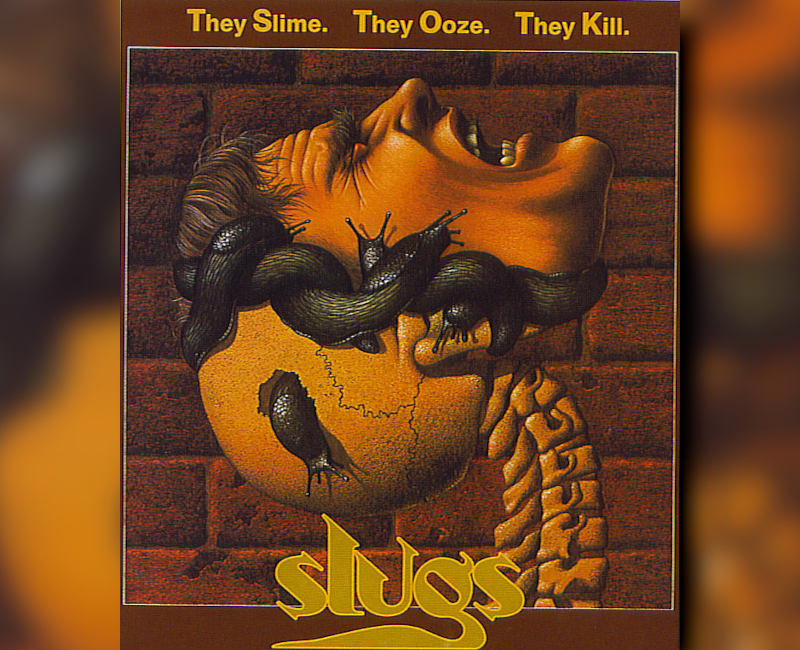
Unfortunately, there is a lot of padding inserted between the movie’s entertaining set pieces. The characters aren’t bad, but they’re not particularly interesting, either. You might be tempted to fast forward to the next slug attack.
But when those slug attacks happen? They’re glorious.
My recommendation for Slugs is simple: Yes, it’s ridiculous that slugs would throw an entire town into peril. But if you can get past that fact, you’ll find that Slugs is an enjoyably creepy and often disarmingly shocking animals-on-the-attack mini-epic.
Where Slugs (1988) is streaming now:




Squirm (1976)
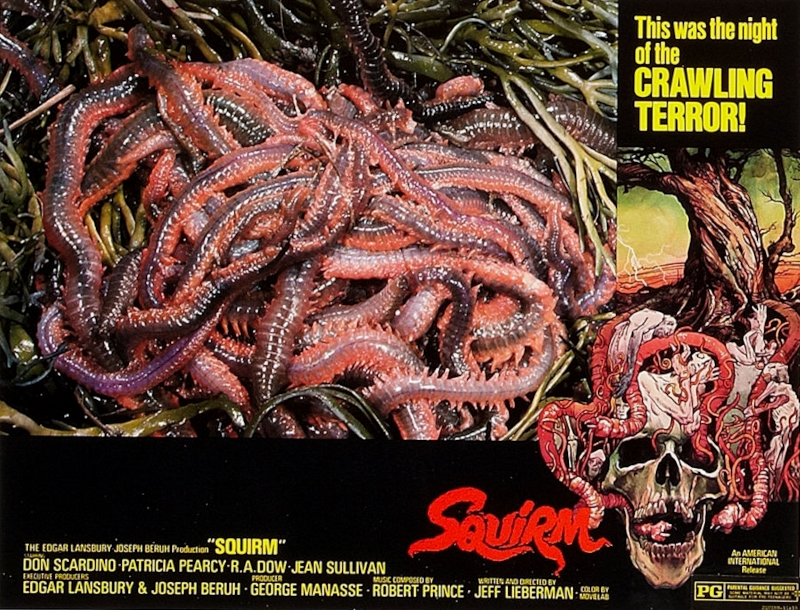
Squirm has the same problem as Slugs: The animals attacking here are worms. And once again, worms are not known for their speed. Escaping? It should be as easy as running away from a slug.
That said, Squirm holds a special place in my heart. I remember seeing an ad for this one – whether it was on TV or in a photo in the back of the Chicago Sun-Times, I’m not sure – showing a woman showering while strings of worms dripped out of the faucet.
I fell in love with that image. (Cut me some slack: I was about 9 at the time.) And I begged my dad to take me and my buddy to the drive-in theater showing Squirm. Alas, my dad was not interested. His taste ran more to Logan’s Run and the big-budget remake of King Kong, both of which I enjoyed, too. But I never got to see the worm-based horror that lived rent-free in my imagination.
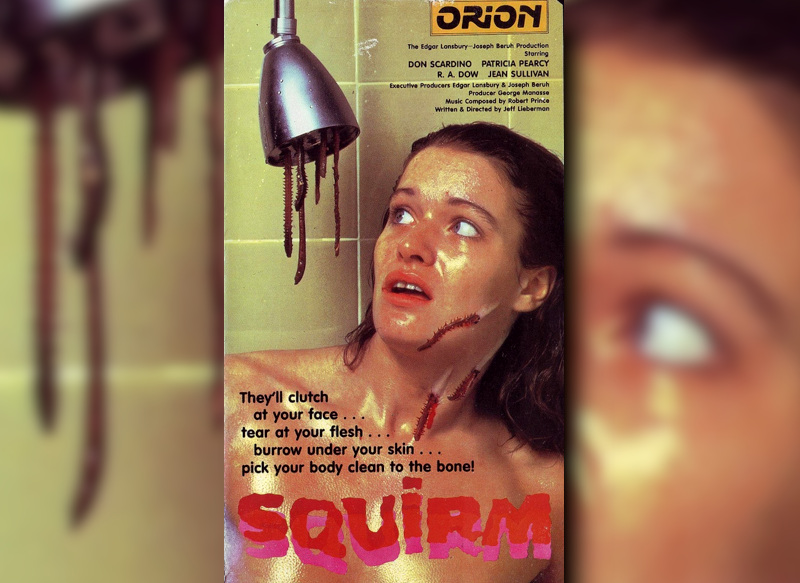
I’d forgotten about Squirm until I stumbled across it on Tubi. I eagerly pressed “play.” Would Squirm live up to that old ad that so intrigued me? Of course not. But that ad told no lies. There IS a scene in Squirm in which worms do come out of a showerhead. And it’s glorious, I’m not going to lie.
In fact, the worms in Squirm come out of a lot of things: toilets, holes in the ceiling, kitchen faucets, and even the guts of fresh corpses.
And to make up for the fact that a single worm isn’t frightening? The filmmakers throw oodles of the critters at their victims. In one memorable scene, thousands of worms fall from the crumbling ceiling in a home, completely flooding the residence with their writing bodies. And in another scene, a character opens a closet only to unleash a wriggling waterfall of worms that cascades over her. Both scenes are impressive for a film that’s obviously made with an ultra-low budget.
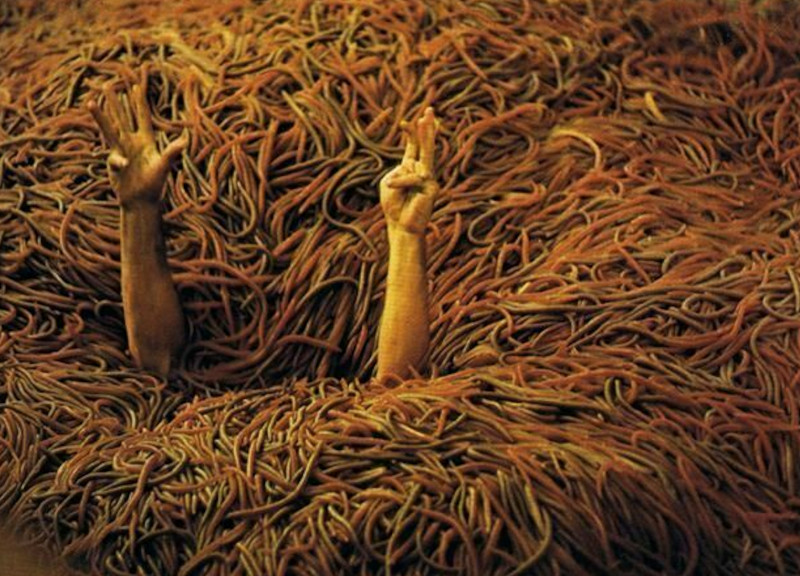
Don’t think that you’re getting a wormy version of Jaws here, though. Squirm comes with plenty of flaws. The overall pace of the movie is as sluggish as the worms at its center. And the worms themselves don’t start attacking until 45 minutes or so have passed.
On the plus side, Squirm boasts a nice setting, taking place in a soggy, swampy town filled with residents who hate outsiders. I’ve always been a sucker for unfriendly rural towns in horror movies.
I also liked the movie’s two leads of Don Scardino and Patricia Pearcy, who are extremely likeable as a young couple battling to survive the night after the worms go on the attack.
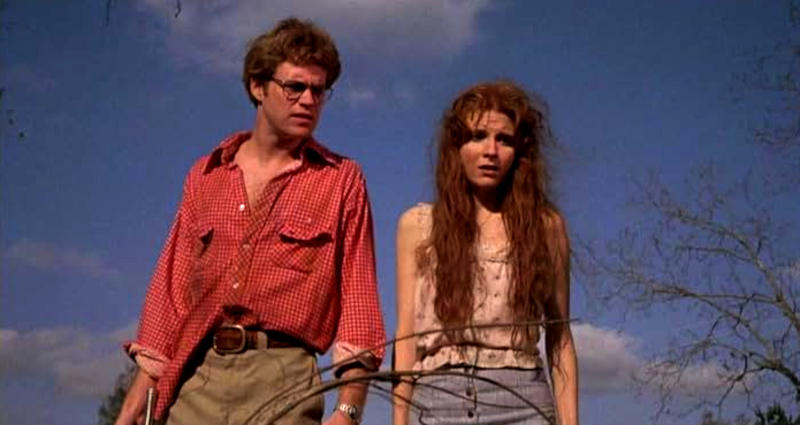
Scardino is especially charming as a college kid from the big city visiting his sweetheart, played by Pearcy. His interactions with the townies are funny without being condescending, such as when he tries to order an egg cream from the local diner. No one in the diner knows what an egg cream is. (And to be fair, neither did I. Turns out, an egg cream is made from cold milk, seltzer water, and chocolate syrup. Oddly enough, there are no eggs or cream involved.)
Once our hero finally explains what’s in an egg cream, the sassy waitress correctly tells him that his drink sounds a lot like a chocolate soda. It’s a funny scene that makes us like our main character just a bit more, making it more effective when the worms eventually put him at risk.
The worms, once they show up, are surprisingly creepy, especially when they are filmed in extreme close-up and you can see their little mouths screaming. I don’t know if worms actually scream, but they do in this movie, and it is unsettling.
If you set your expectations properly, then, you’ll have a good time watching Squirm. Feel free to make yourself an egg cream. Just don’t plan on wolfing down a spaghetti dinner. I can’t imagine those noodles will look too appetizing after watching a river of worms flow over its victims.
Where Squirm (1976) is streaming now:





The Boneyard (1991)
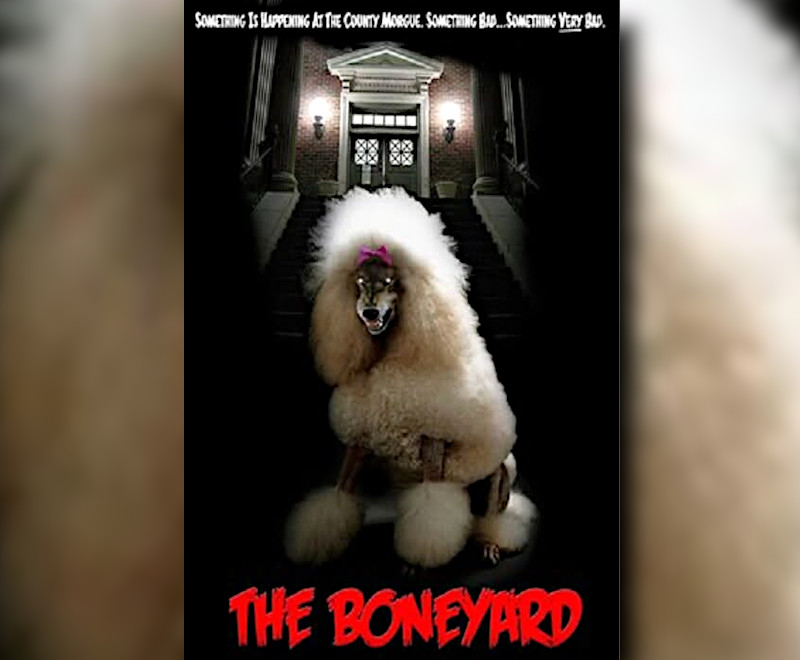
I’ll admit it: The Boneyard is a bit of a cheat. It’s not really a killer-animal horror movie. No, it’s a charming, low-budget siege-horror movie about zombified children causing chaos in a county coroner’s building.
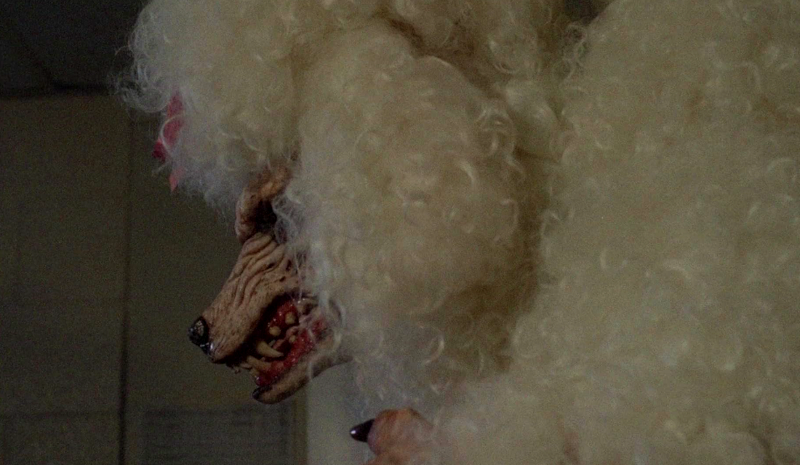
But in my defense, it also features a giant, killer poodle.
Yes, that’s right. As anyone who’s ever owned a poodle knows, these dogs are far from threatening. If you’re a home invader? You want to break into a residence guarded by a poodle. It’ll probably lick your face as you snatch the Picasso off the wall.
The poodle at the center of The Boneyard is particularly non-threatening before its zombification. Its name is Floofsoms and it wears a pink bow. Its owner is also legendary comedienne Phyllis Diller.
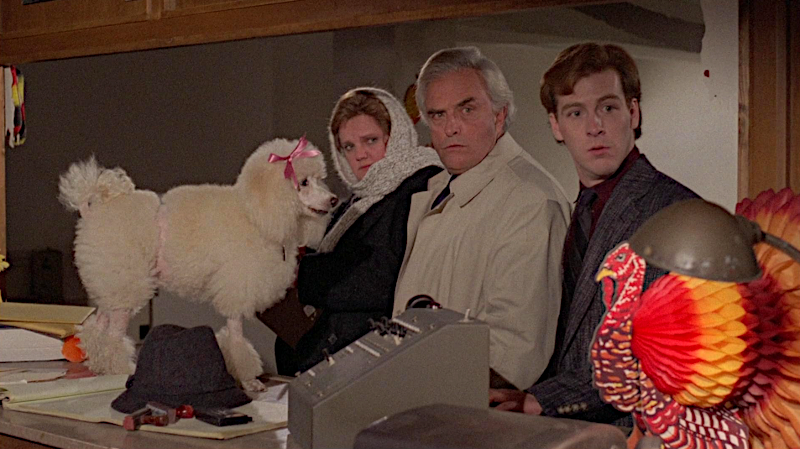
If you’re too young to know who she is? Check out her comedy clips on YouTube or clips of her appearances on the old gameshow Hollywood Squares. She’s a legend for a reason. And in this movie? Her name is the unbelievably silly Ms. Poopinpltaz.
As a brief aside, I can’t resist showcasing some of Diller’s best jokes here. She was known for her one-liners. This includes such classics as:
“Any time three New Yorkers get into a cab without an argument, a bank has just been robbed.”
“Burt Reynolds once asked me out. I was in his room.”
“Housework can’t kill you, but why take a chance?”
“I do dinner in three phases: serve the food, clear the table, bury the dead.”
But back to the movie: As you can guess by the oversized mutant poodle and the name “Poopinplatz,” The Boneyard is a horror/comedy, though it’s not so comedic that it overwhelms the horror. The movie is about children who are turned into zombies, after all. It also focuses on a child-murder case and ancient demons that demand offerings of human flesh.
Still, it’s pretty darn funny, too. Norman Fell, famous as Mr. Roper from cheesecake TV sitcom Three’s Company, is here, too, as a mortician. He’s surprisingly restrained, though he does sport an awful ponytail.
What’s great about The Boneyard, though, are the two main characters: Alley Cates, a psychic who’s burned out after helping the police solve too many grisly murders, and Jersey Callum, a veteran homicide detective who wants Alley’s help on one more case.
Ed Nelson, who plays Callum, does a terrific job playing a grizzled but good-hearted cop. But it’s Deborah Rose who steals the show as Alley. This is partly because she feels like such a real person here, not an actor. Whenever I watch Alley, I feel like I’m watching a real person, not an actress playing a part. It’s a shame that Rose, it seems, has only appeared in two other movies. She deserved a bigger career – if she wanted it.
But what about that giant poodle, you ask? Well, I believe it stands 8 feet tall. (At least that’s what I found with a quick online search.) And it serves as the movie’s concluding threat, chasing the surviving characters through the halls of the mortuary.
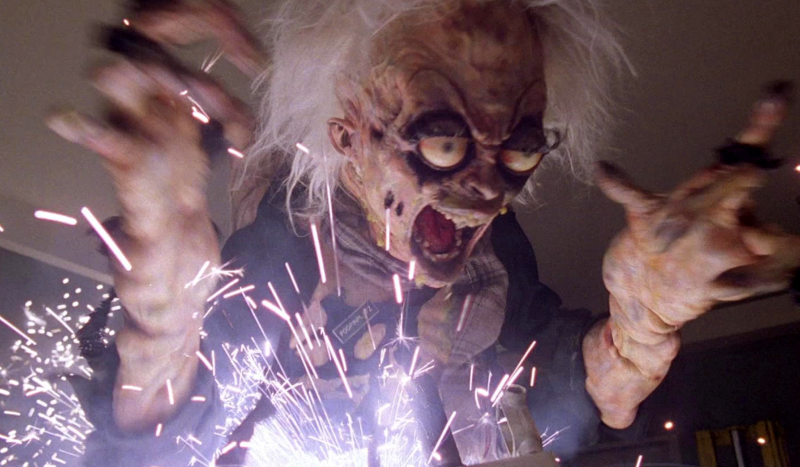
Best of all, the giant Floofsoms is accompanied by a giant-size mutated version of Ms. Poopinplatz, too. Yes, The Boneyard is audacious enough to give us a giant-sized Phyllis Diller monster. Both the poodle and Diller monsters are brought to life with some unrealistic but fun puppetry.
And if that isn’t enough to make you check out this mostly forgotten 1990s-era gem..? I’m sorry, but you may need to reevaluate your life’s priorities.
Where The Boneyard (1991) is streaming now:


BONUS! A brief list of Animals Attack horror movies with critters that are threatening but you might not have seen yet.
Any self-respecting horror fan has seen Jaws. But what about the countless other animal-based horror movies that followed? The ones that featured animals that are actually threatening and scary… Are any of them worth seeing? You bet! Here are some of my favorites:
The Black Scorpion (1957)
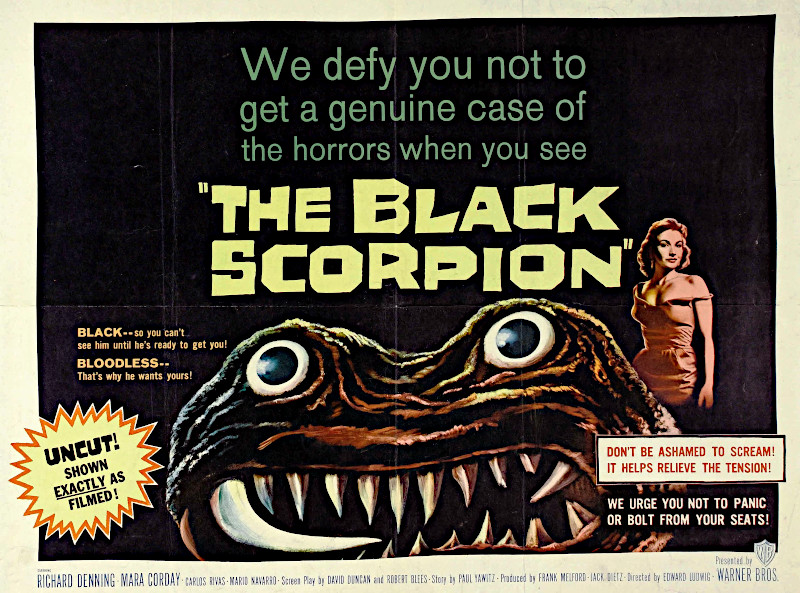
Killer-ant movie Them! from 1954 remains the king of giant-insect horror. But The Black Scorpion is darn good, too. This one focuses on not just one but several giant scorpions on the loose. Scorpions are scary. And this features some quaint but cool stop-motion effects.
Where to watch The Black Scorpion (1957):


Piranha (1978)
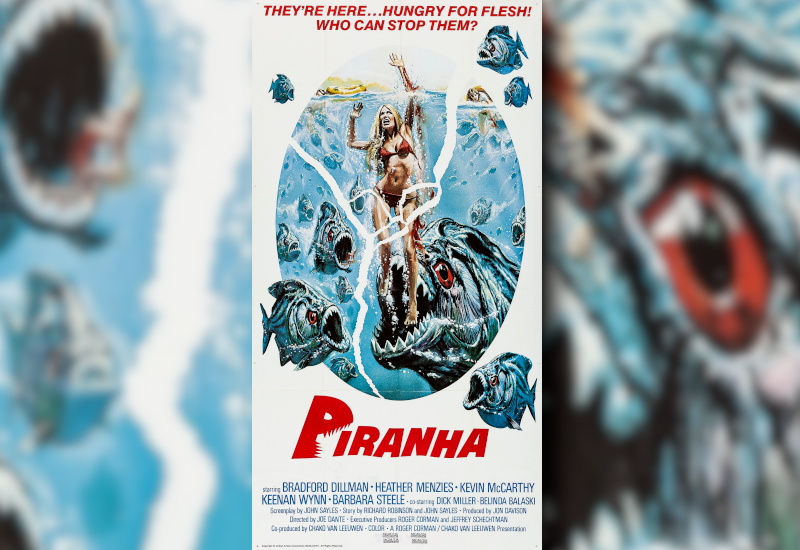
Is the original Piranha – not any of its sequels – the best Jaws rip-off? I’d argue that it is. Well-respected Hollywood screenwriter and director John Sayles wrote the script, which is why this movie is far smarter than you’d expect. Plus, the piranhas are vicious.
Where to watch Piranha (1978):






Long Weekend (1978)
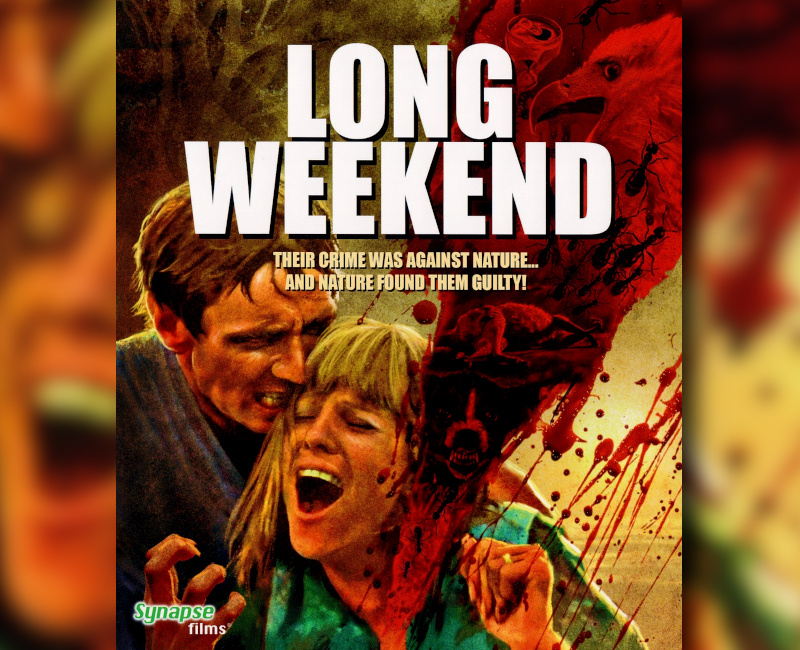
Long Weekend is a horror movie that will have you wholeheartedly rooting for the animals. A bickering married couple, two characters who you will absolutely hate by the end, are taking a long weekend trip to help save their marriage. Along the way, they run over a kangaroo, accidentally start a forest fire, and break an eagle’s egg. The animals don’t take kindly to this and start attacking. Again, you’ll be hoping for this couple to get their comeuppance. (Sorta’ spoiler: They do!)
Where Long Weekend (1978) is streaming now:

Alligator (1980)
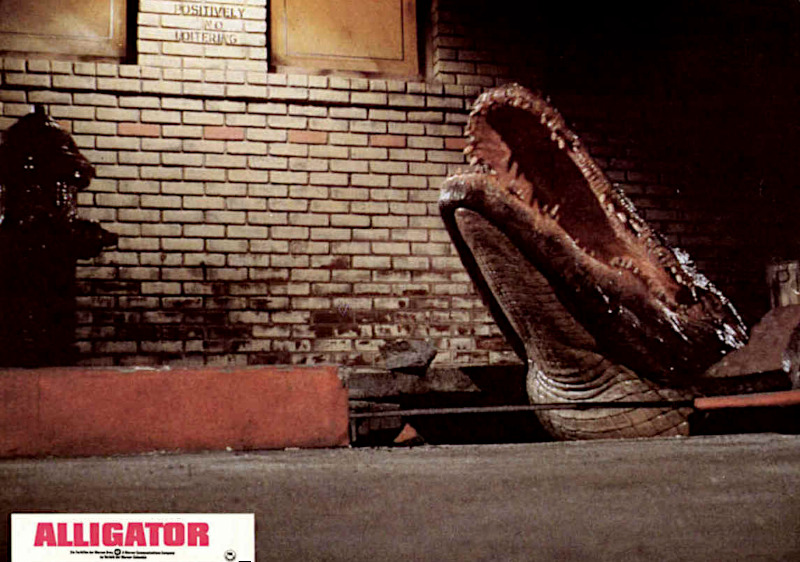
Another enjoyable Jaws rip-off, this time featuring an oversized alligator chomping on a steady stream of victims. Sayles wrote the script for this one, too, which is probably why it’s so good. Robert Forster and Robin Riker have great chemistry as a cop and scientist working the case. Plus, it’s set in Chicago, my hometown!
Where Alligator (1980) is streaming now:
Venom (1981)
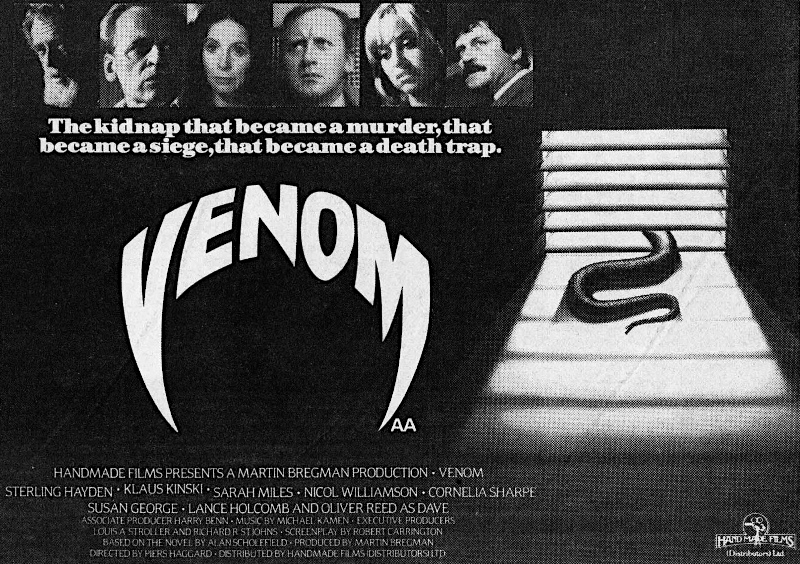
A gang of criminals breaks into a home to hold hostage the 10-year-old grandson of a rich hotel tycoon. Unfortunately for the criminals, a deadly black mamba snake is on the loose inside the residence. The snake is supposed to be the star attraction, but legendary over-actors Klaus Kinski and Oliver Reed steal the show in Venom by chewing far more scenery than that black mamba ever could.
Where Venom (1981) is streaming now:



The Nest (1988)
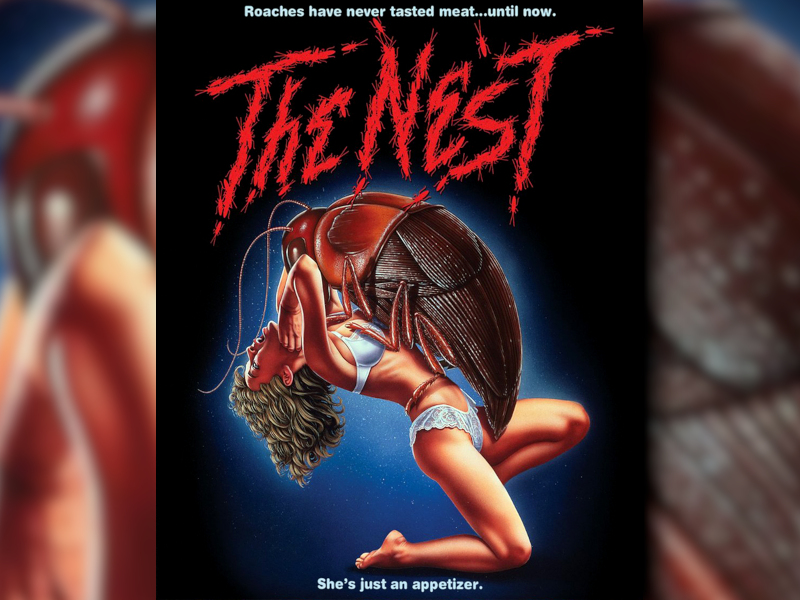
What’s worse than turning on your kitchen light to see a cockroach scurrying across the floor? Nothing. That’s why The Nest, about cockroaches overrunning a New England town, will make your skin crawl. You might even enjoy the bizarre ending.
Where The Nest (1988) is streaming now:



Rogue (2007)
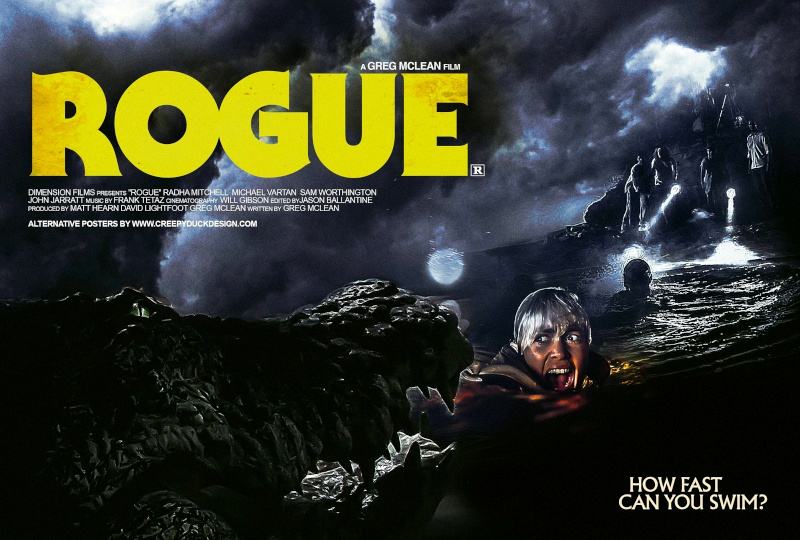
Crocodiles? They’re plenty scary. And this Australian action/horror hybrid about an oversized crocodile attacking a group of tourists and their tour guide packs plenty of suspense and toothy gore in its sleek 92-minute running time. The characters aren’t exactly deep, but many of them are likeable enough that you worry about them when the crocodile attacks.
Where Rogue (2007) is streaming now:

Vermines AKA Infested (2023)
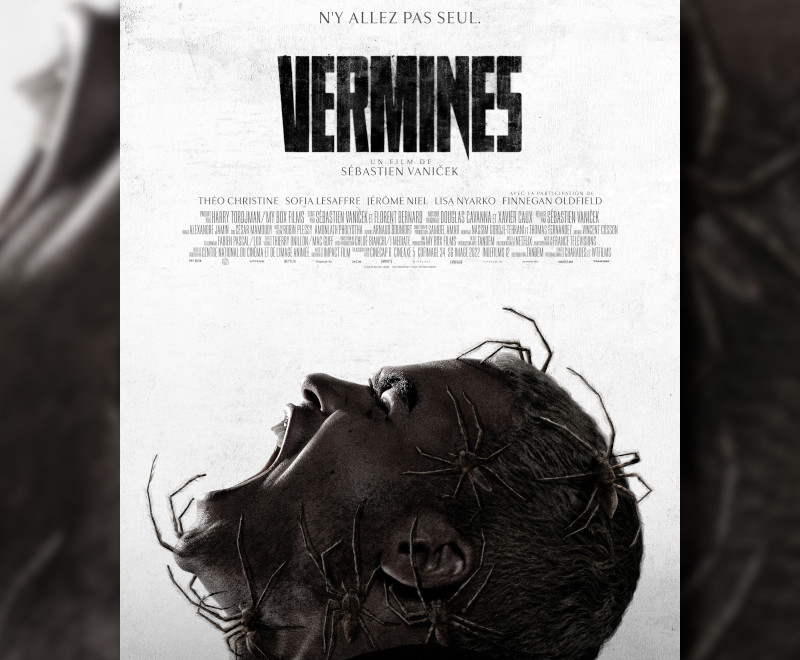
I’ve seen a lot of creepy spider movies, but the French film Infested might be the best. This is about a collector of rare animals who accidentally brings a deadly desert spider to his apartment unit, unleashing a wave of horrific spider mayhem while doing so. You’ll never put on a shoe without checking it for stowaways again.
Where Vermines / Infested (2023) is streaming now:


What are YOUR favorite Animals Attack horror films?
When nature goes on a rampage, do you prefer horror films that feature traditionally “scary” creatures as the aggressors? Or do you have a soft spot for horror films where cuddly critters go rogue? Let me know in the comments!
*This article was written by Dan Rafter. You can learn more about him in his author bio below*

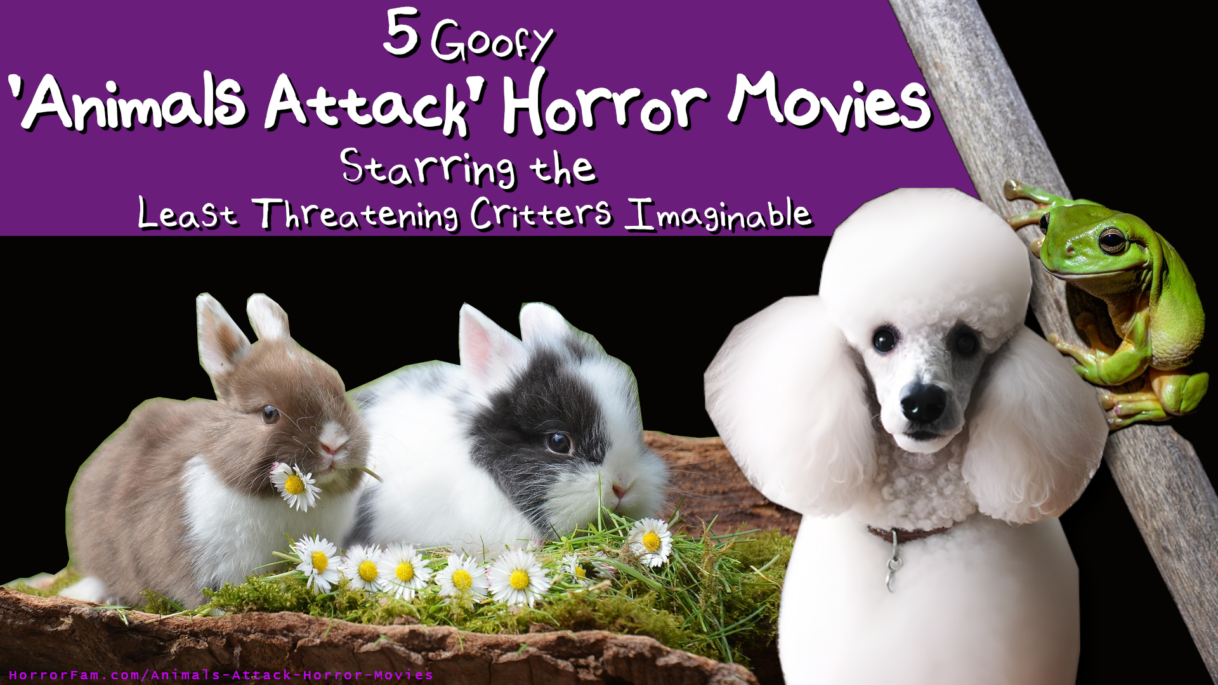
Images for this list were purchased on MovieStillsDB (stills) and CineMaterial (posters). The featured image is a collage of the cutest stock photo critters Lauren could find on Pixabay (she had fun perusing the cuteness!) that represented the animals featured in the films but hopefully didn’t give away TOO much…